10 proven growth marketing strategies for automotive brands
Learn how data, personalization, AI, and full-funnel marketing can drive sustainable business growth in today's competitive automotive industry.
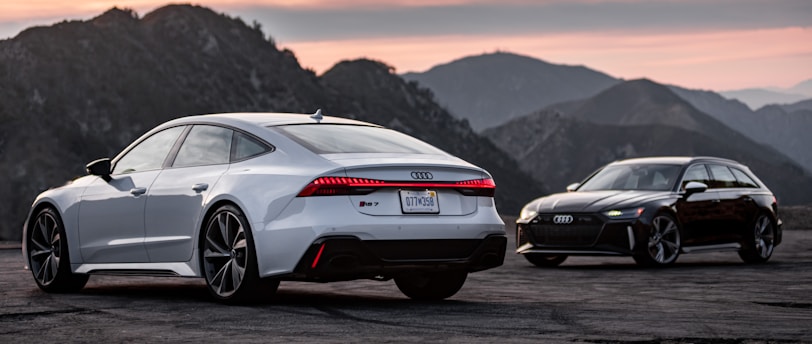

The automotive industry has undergone one of the biggest transformations in its history. Today's customer journey rarely begins at a dealership—it starts online. Buyers compare models, watch video reviews, read customer testimonials, calculate financing options, and even book test drives before speaking with a salesperson.
For automotive brands, this shift has fundamentally changed the role of marketing. Traditional advertising still creates awareness, but sustainable growth now depends on building measurable, data-driven systems that attract, engage, convert, and retain customers throughout the ownership journey.
Growth marketing goes beyond generating leads. It focuses on continuously improving every stage of the customer lifecycle through experimentation, technology, customer insights, and personalization.
Here are ten proven growth marketing strategies that automotive brands can use to accelerate sales, improve customer loyalty, and maximize lifetime value.
1. Build a Full-Funnel Customer Journey
Many automotive marketers invest heavily in awareness campaigns but overlook what happens after a customer clicks an ad.
Growth marketing treats every stage of the buying journey as an opportunity for optimization:
Awareness
Research
Consideration
Test drive
Purchase
Ownership
Repeat purchase
Referral
Each stage requires different messaging. For example, someone researching SUVs needs educational content, someone comparing financing needs calculators and incentives, while existing owners need maintenance reminders and upgrade offers.
Instead of measuring only lead volume, successful brands optimize the entire customer journey.
Key Metrics
Website engagement
Test drive bookings
Lead-to-sale conversion
Customer lifetime value
Referral rate
2. Invest in First-Party Data
Privacy regulations and the decline of third-party cookies have made first-party data one of the most valuable assets for marketers.
Automotive brands collect enormous amounts of customer information through:
Website visits
Vehicle configurators
Service appointments
CRM systems
Connected vehicles
Mobile apps
Loyalty programs
The challenge isn't collecting data, it's connecting it. Unified customer profiles allow brands to deliver personalized experiences across every touchpoint.
Instead of sending the same promotion to every customer, marketers can create highly relevant campaigns based on ownership history, browsing behavior, location, and purchase intent.
3. Personalize Every Customer Interaction
Consumers now expect personalized experiences across every industry and automotive marketing should be no different. Personalization can include, vehicle recommendations, financing offers, local dealership inventory, service reminders, trade-in estimates, insurance partnerships, accessory recommendations etc.
Imagine two visitors browsing the same website. One recently researched electric vehicles and another owns a five-year-old SUV nearing lease expiration. Showing identical messaging to both visitors wastes valuable conversion opportunities. Personalization increases engagement because it matches customer intent.
4. Optimize for Local Search
Even global automotive brands ultimately depend on local dealerships. Local SEO remains one of the highest ROI growth channels. Customers frequently search for:
"SUV dealership near me"
"Electric car test drive"
"Toyota service center"
"Best family cars"
Growth marketers optimize, Google Business Profiles, local landing pages, customer reviews, store-specific content, local inventory pages, maps visibility etc. Local visibility directly influences showroom visits.
5. Create Educational Content Instead of Selling
Today's buyers spend weeks—or even months—researching before making a purchase. Brands that become trusted educators often become preferred choices. Examples include:
Buying guides
EV charging explainers
Ownership cost calculators
Safety feature comparisons
Maintenance tips
Financing guides
Technology tutorials
Educational content builds trust long before a sales conversation begins. Rather than pushing products, successful brands help customers make informed decisions.
6. Use Marketing Automation Throughout the Ownership Lifecycle
Many brands stop communicating after the sale. Growth marketers know that's when the real opportunity begins. Automated workflows can include:
Before Purchase
Test drive reminders
Financing follow-ups
Vehicle comparison emails
After Purchase
Welcome series
Maintenance schedules
Warranty education
Service appointment reminders
Upgrade opportunities
Long-Term
Loyalty rewards
Referral campaigns
Lease renewal offers
Trade-in notifications
Automation ensures customers receive timely, relevant communication without overwhelming marketing teams.


7. Turn Existing Customers into Growth Channels
Satisfied owners often become the most effective marketers. Referral programs, customer stories, and owner communities generate authentic advocacy. Effective strategies include:
Referral rewards
Owner testimonials
Video reviews
Community events
Loyalty benefits
Social media campaigns featuring customers
People trust recommendations from real owners more than traditional advertising. Customer advocacy lowers acquisition costs while increasing credibility.
8. Use AI to Improve Marketing Performance
Artificial intelligence is changing how automotive marketers understand customers. AI can help:
Predict purchase intent
Recommend personalized content
Optimize advertising spend
Improve chatbot conversations
Forecast inventory demand
Analyze customer sentiment
Rather than replacing marketers, AI enables faster decision-making and more precise targeting. Brands that combine AI with human creativity often see stronger performance than relying on either alone.
9. Measure What Actually Drives Growth
Vanity metrics can create a false sense of success. Millions of impressions mean little if they don't result in qualified customers. Growth-focused automotive marketers prioritize metrics such as:
Cost per qualified lead
Test drive conversion rate
Sales conversion
Customer acquisition cost
Customer lifetime value
Repeat purchase rate
Service retention
Net Promoter Score (NPS)
Referral rate
Measurement should always connect marketing activities to business outcomes.
10. Build a Culture of Continuous Experimentation
Growth marketing is not a single campaign. It's an operating model. Leading automotive brands constantly test:
Landing pages
Vehicle configurators
Ad creatives
Email subject lines
Pricing offers
Financing options
Website navigation
Call-to-action buttons
Small improvements accumulate over time. Increasing landing page conversion by 10%, improving email open rates by 15%, and raising test drive bookings by 8% may seem incremental individually. Together, they can significantly increase revenue without increasing advertising spend.
Experimentation creates a competitive advantage because it replaces assumptions with evidence.


Common Mistakes Automotive Brands Should Avoid
Even experienced marketing teams can fall into traps that limit growth. Some of the most common include:
Prioritizing lead quantity over lead quality.
Treating digital and dealership experiences as separate rather than connected.
Neglecting post-purchase engagement and customer retention.
Relying on broad messaging instead of personalized communication.
Making decisions based on assumptions rather than customer data.
Tracking vanity metrics instead of business outcomes.
Avoiding these pitfalls allows brands to build a more resilient and efficient growth engine.
The Future of Automotive Growth Marketing
The automotive landscape is evolving rapidly. Electric vehicles, connected cars, subscription models, direct-to-consumer sales, and AI-powered customer experiences are reshaping how people discover, evaluate, and purchase vehicles.
At the same time, consumer expectations continue to rise. Buyers expect seamless digital experiences, transparent pricing, personalized recommendations, and ongoing value after the purchase.
Growth marketing provides the framework to meet these expectations. It combines data, technology, experimentation, and customer-centric thinking to create sustainable, measurable business growth.
Brands that embrace this mindset will be better positioned to adapt to changing market conditions and build stronger relationships with customers.
Final Thoughts
Growth marketing is no longer an optional discipline for automotive brands, it is a strategic capability that influences every stage of the customer journey. Success depends on integrating marketing, sales, service, and customer experience into a cohesive system powered by data and continuous improvement.
By focusing on full-funnel optimization, leveraging first-party data, personalizing experiences, investing in educational content, embracing automation and AI, measuring meaningful outcomes, and fostering a culture of experimentation, automotive brands can improve acquisition, strengthen customer loyalty, and increase lifetime value.
In an industry where purchasing decisions are increasingly shaped online and customer expectations continue to evolve, the brands that treat growth marketing as an ongoing process, not a series of isolated campaigns, will be the ones best equipped to lead the road ahead.


AUTHOR
Muhammad Noman
Growth Marketing Expert
Get In Touch
mnomann18@gmail.com